24X7 Emergency : +91-7830300210 Toll Free No: 1800-202-5100







×
Need help finding what you were looking for?
Get a call back from our Health advisor
By clicking, you agree to our Privacy Policy,
Terms of Use & Disclaimer
📞 Call: +91-7830300210
✉️ Email: info@nivokhospitals.com
.png)
Heart Attack Symptoms in Men and Women: What's Different?
Heart Attack Symptoms in Men and Women: What's Different?
Heart attacks remain one of the leading causes of death in India, and a significant part of why they continue to claim lives that could otherwise be saved comes down to delayed recognition of symptoms, particularly in women, whose warning signs often differ meaningfully from the textbook chest pain most people associate with cardiac events. Understanding these differences isn't just useful information; it can genuinely be the difference between getting help in time and not.
Why This Difference Matters So Much
Most public awareness around heart attack symptoms is built around the classic presentation: sudden, crushing chest pain, often radiating down the left arm. This description holds true for many men, but women frequently experience heart attacks with a noticeably different, often subtler set of symptoms, ones that can be mistaken for less serious conditions like indigestion, anxiety, or fatigue. This mismatch between symptom and awareness contributes directly to delayed treatment, which in cardiac emergencies can have serious, sometimes fatal consequences.
Common Heart Attack Symptoms in Men
Symptoms most frequently reported by men include
-
Intense, crushing chest pain or pressure, often described as a tight band across the chest
-
Pain radiating down the left arm and occasionally into the jaw or neck
-
Shortness of breath, often accompanying the chest discomfort
-
Cold sweats appearing suddenly, often alongside the chest pain
-
A sense of impending doom or severe anxiety, occurring alongside physical symptoms
These symptoms tend to align closely with what's commonly taught in first aid courses and public health messaging, which is part of why heart attacks in men are, on average, recognised and treated more quickly than in women.
Common Heart Attack Symptoms in Women
Symptoms more frequently reported by women include
-
Milder or entirely absent chest pain, sometimes described as pressure rather than sharp pain
-
Unusual fatigue, occurring for days before the actual event in some cases
-
Shortness of breath without accompanying chest discomfort
-
Nausea, vomiting, or symptoms resembling indigestion
-
Pain in the back, neck, or jaw, without significant chest involvement
-
Lightheadedness or dizziness, sometimes the most prominent symptom present
Because these symptoms overlap so significantly with less serious conditions, women experiencing a heart attack are statistically more likely to delay seeking emergency care or to have their symptoms initially misattributed to something less urgent.
Why These Differences Exist
The exact biological reasons behind these symptom differences are still an active area of medical research, but several contributing factors are reasonably well understood. Women tend to develop blockages not just in the major coronary arteries but also in smaller blood vessels, a condition sometimes referred to as microvascular disease, which can produce a different symptom pattern than the more commonly discussed blockages seen in men. Hormonal factors, particularly the protective role of estrogen before menopause, also influence how and when cardiovascular disease tends to develop in women, often presenting later in life but with less typical warning signs.
Risk Factors Worth Being Aware Of:
Risk factors common to both men and women include
-
High blood pressure
-
High cholesterol
-
Diabetes
-
Smoking
-
Obesity
-
Sedentary lifestyle
-
Family history of heart disease
Certain risk factors carry particular relevance for women
-
Conditions during pregnancy, including preeclampsia and gestational diabetes
-
Menopause, which removes estrogen's protective cardiovascular effect
-
Autoimmune conditions, which occur more frequently in women and carry cardiovascular implications
-
Certain hormonal therapies, worth discussing with a doctor in the context of cardiac risk
What to Do If Symptoms Appear
Recognising symptoms is only useful if it leads to prompt action. Any combination of chest discomfort, unusual fatigue, shortness of breath, or the other warning signs described above, particularly in someone with existing risk factors, warrants immediate medical attention rather than a passive approach.
Steps to take if a heart attack is suspected
-
Call for emergency medical help immediately rather than attempting to drive to a hospital independently
-
Chew and swallow an aspirin if available and not contraindicated while waiting for help to arrive
-
Stay as calm and still as possible until medical assistance reaches you
-
Do not dismiss symptoms as anxiety or indigestion without proper evaluation, particularly if risk factors are present
-
Inform whoever is nearby about the symptoms so they can assist in seeking help promptly
The Importance of Timely Diagnosis
Time plays an enormous role in how much heart muscle damage occurs during a heart attack, and the phrase used widely in cardiac care, time is muscle, reflects exactly how critical early recognition and treatment genuinely are. The longer a blockage goes untreated, the more lasting damage the heart sustains, which is precisely why understanding these gender-based symptom differences matters at a population level, not just for individual patients.
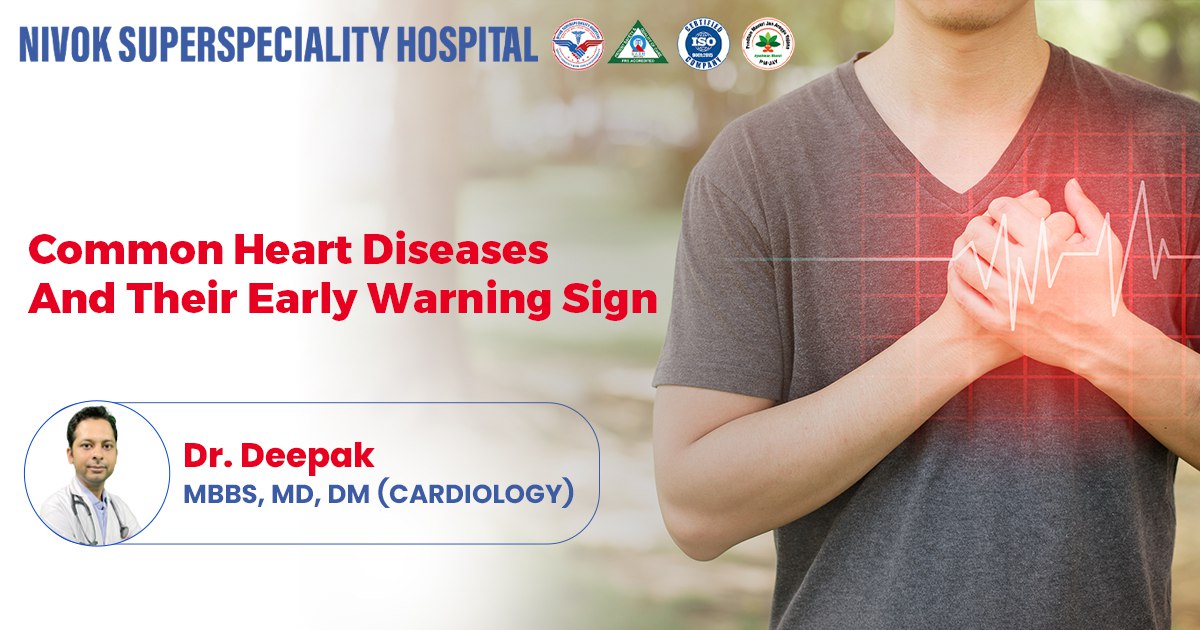
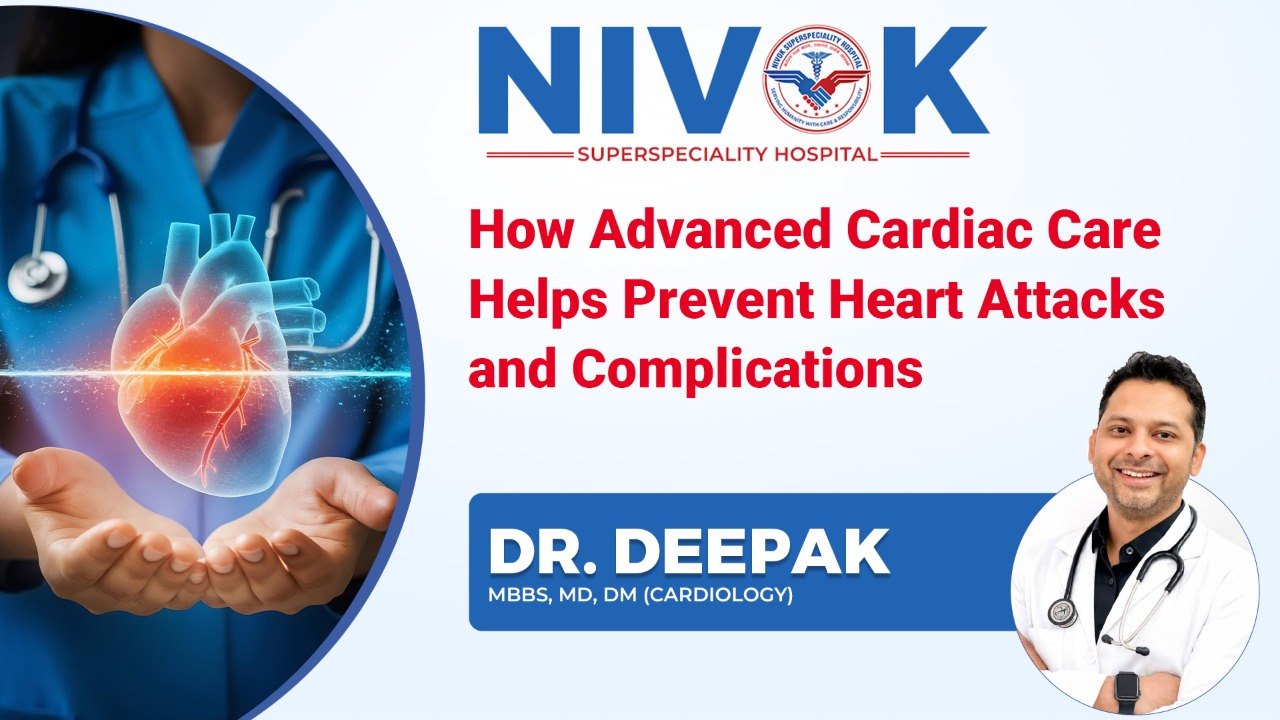
Dr. Deepak here at Nivok Superspeciality Hospital regularly treats cardiac patients across a wide range of presentations and stresses that recognising atypical symptoms, particularly in women, remains one of the more overlooked gaps in cardiac emergency response. Heart disease does not present identically across every patient, and awareness of these differences, both among the public and within families with a history of cardiac issues, plays a direct role in ensuring timely treatment. If you or someone in your family falls into a higher risk category, understanding these symptom patterns in advance, rather than learning them during an actual emergency, is a genuinely worthwhile step toward better cardiac health outcomes.
Popular Posts

.jpg)





.jpg)
.jpg)









Copyrights © 2025 All Rights Reserved, Powered by Your Reputations Consulting
