24X7 Emergency : +91-7830300210 Toll Free No: 1800-202-5100







×
Need help finding what you were looking for?
Get a call back from our Health advisor
By clicking, you agree to our Privacy Policy,
Terms of Use & Disclaimer
📞 Call: +91-7830300210
✉️ Email: info@nivokhospitals.com
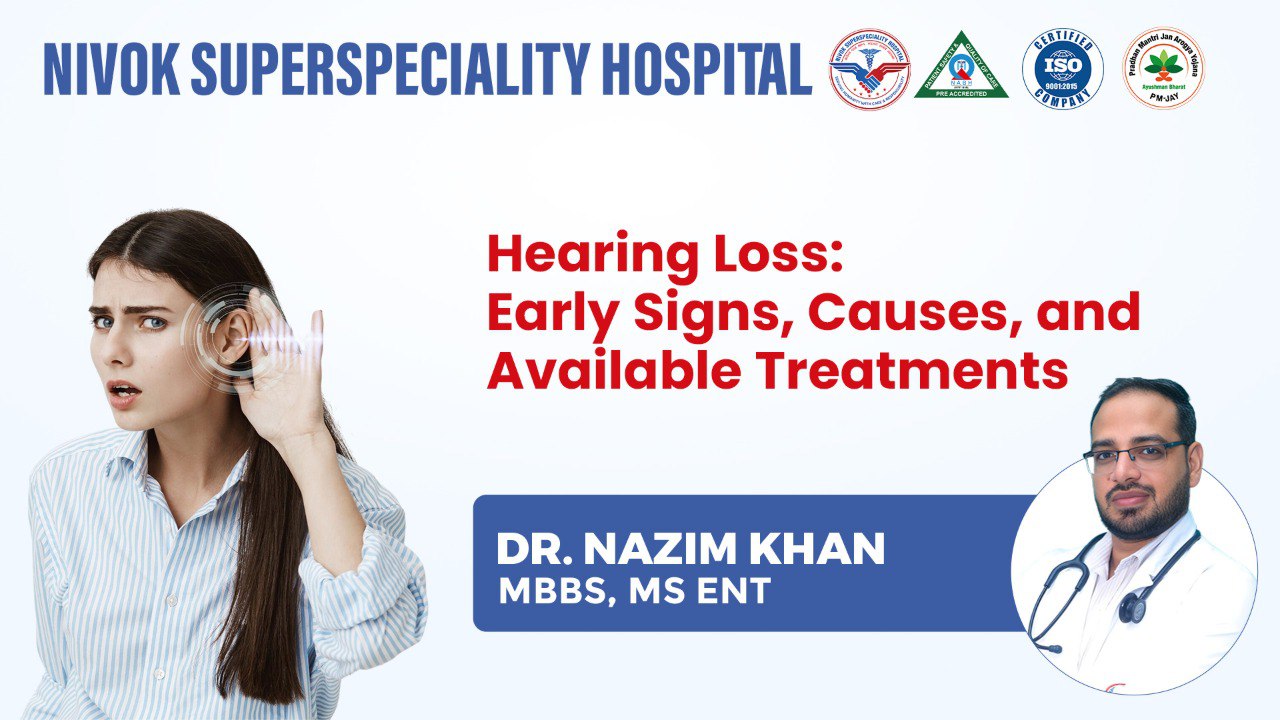
Hearing Loss: Early Signs, Causes, and Available Treatments
Hearing is something most of us take for granted—until it starts to fade. For many people, hearing loss doesn’t arrive suddenly. It creeps in. A missed word here. The TV volume is inching higher there. By the time it’s obvious, the problem may already be affecting daily life, relationships, and confidence.
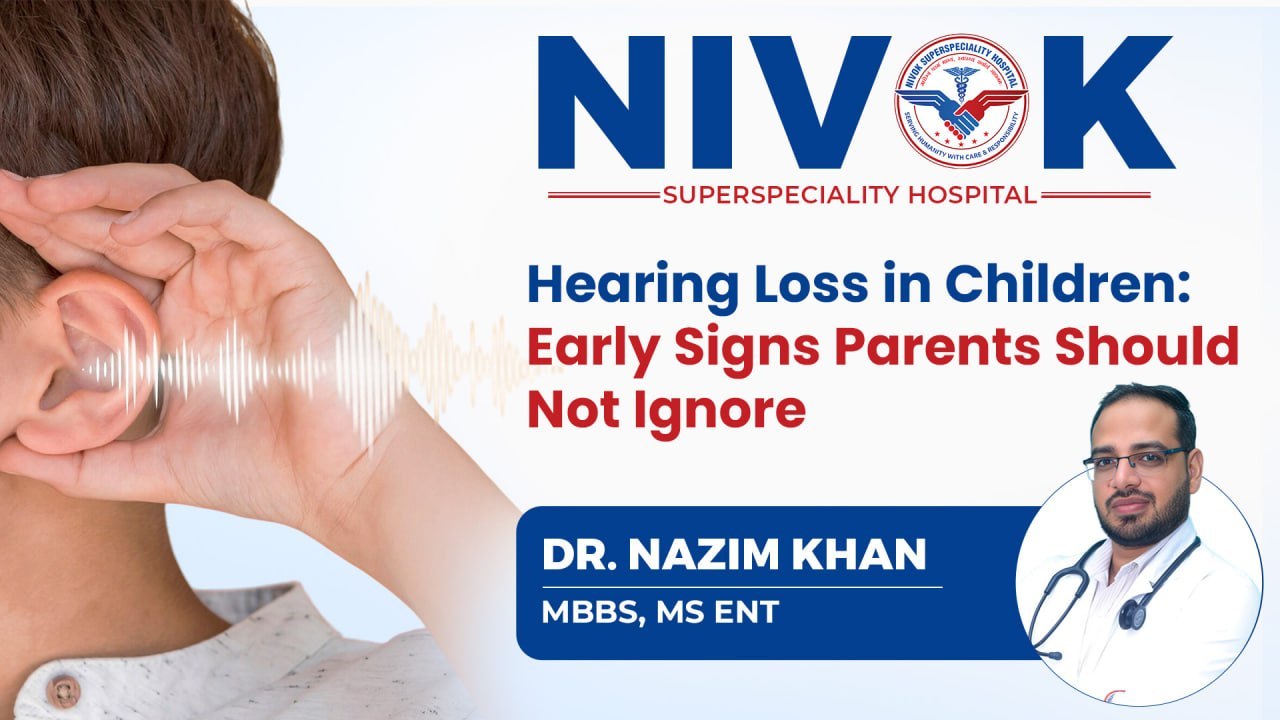
The good news? Hearing loss is manageable, especially when caught early. At Nivok Superspeciality Hospital, patients receive timely diagnosis and focused ENT care under experts like Dr Nazim Khan, helping them protect and restore their hearing health.
Early Signs of Hearing Loss You Shouldn’t Ignore
Hearing loss rarely starts with complete silence. It usually sends small signals first. These signs are easy to dismiss, but they matter.
Common early warning signs include:
- Frequently asking people to repeat themselves
- Difficulty following conversations, especially in noisy places
- Feeling that others are mumbling or speaking softly
- Turning up the TV or phone volume higher than others prefer
- Trouble hearing doorbells, alarms, or phone rings
- Ringing or buzzing in the ears (tinnitus)
Children may show different signs—poor response to sounds, delayed speech, or difficulty in school. In both adults and children, early evaluation can prevent long-term impact.
What Causes Hearing Loss?
Hearing loss isn’t caused by one single factor. In most cases, it’s a mix of age, lifestyle, health, and environment.
1. Age-Related Hearing Loss
As we grow older, the delicate structures inside the ear naturally weaken. This type of hearing loss develops slowly and is one of the most common causes in adults over 50.
2. Noise Exposure
Regular exposure to loud sounds—machinery, traffic, headphones at high volume, concerts—can damage hearing permanently. This damage often builds up over the years.
3. Ear Infections and Wax Buildup
Untreated infections or excessive earwax can block sound and lead to temporary or long-term hearing issues. This is especially common in children.
4. Medical Conditions
Conditions such as diabetes, high blood pressure, thyroid disorders, and certain viral infections can affect hearing. Some medicines can also harm the inner ear if used incorrectly.
5. Injury or Trauma
Head injuries or sudden pressure changes (like blasts or accidents) may damage the ear structures, leading to sudden hearing loss.
Types of Hearing Loss
Understanding the type helps decide the right treatment.
- Conductive Hearing Loss: Caused by problems in the outer or middle ear (wax, infection, fluid). Often treatable.
- Sensorineural Hearing Loss: Involves damage to the inner ear or nerve pathways. Usually permanent but manageable
- Mixed Hearing Loss: A combination of both.
An ENT evaluation is essential to identify the exact type.
Available Treatments for Hearing Loss
Hearing loss doesn’t mean the end of communication. Treatment today is practical, effective, and tailored to the cause.
1. Medical Treatment
For infections, inflammation, or sudden hearing loss, medicines can restore or improve hearing if started early.
2. Earwax Removal
Simple procedures done safely by an ENT specialist can bring immediate relief.
3. Hearing Aids
Modern hearing aids are discreet, comfortable, and highly effective. They amplify sound without distortion and adapt to different environments.
4. Surgical Options
Certain conditions—like chronic ear infections, perforated eardrum, or middle ear problems—may require surgery to improve hearing.
5. Rehabilitation and Follow-up
Hearing therapy and regular follow-ups help patients adjust and maintain long-term hearing health.
At Nivok Superspeciality Hospital, Dr. Nazim Khan focuses on choosing the least invasive, most effective option for each patient—no unnecessary procedures, no rushed decisions.
When Should You See an ENT Specialist?
Don’t wait until hearing loss becomes obvious. You should consult an ENT doctor if:
- Symptoms last more than a few weeks
- Hearing loss affects work or social life
- There is pain, discharge, or a sudden hearing drop
- A child shows signs of delayed speech or poor hearing
Early action often means simpler treatment and better results.
Final Thoughts
Hearing loss doesn’t announce itself loudly. It whispers. The real damage happens when those whispers are ignored.
If you or a loved one notices early signs, seek expert advice. With timely care from Dr Nazim Khan at Nivok Superspeciality Hospital, hearing loss can be identified early, treated correctly, and managed effectively—so conversations, connections, and confidence stay intact.
Good hearing isn’t a luxury. It’s a part of everyday living. Protect it early.
Popular Posts

.jpg)






.jpg)
.jpg)















Copyrights © 2025 All Rights Reserved, Powered by Your Reputations Consulting
