24X7 Emergency : +91-7830300210 Toll Free No: 1800-202-5100






×
Need help finding what you were looking for?
Get a call back from our Health advisor
By clicking, you agree to our Privacy Policy,
Terms of Use & Disclaimer
📞 Call: +91-7830300210
✉️ Email: info@nivokhospitals.com
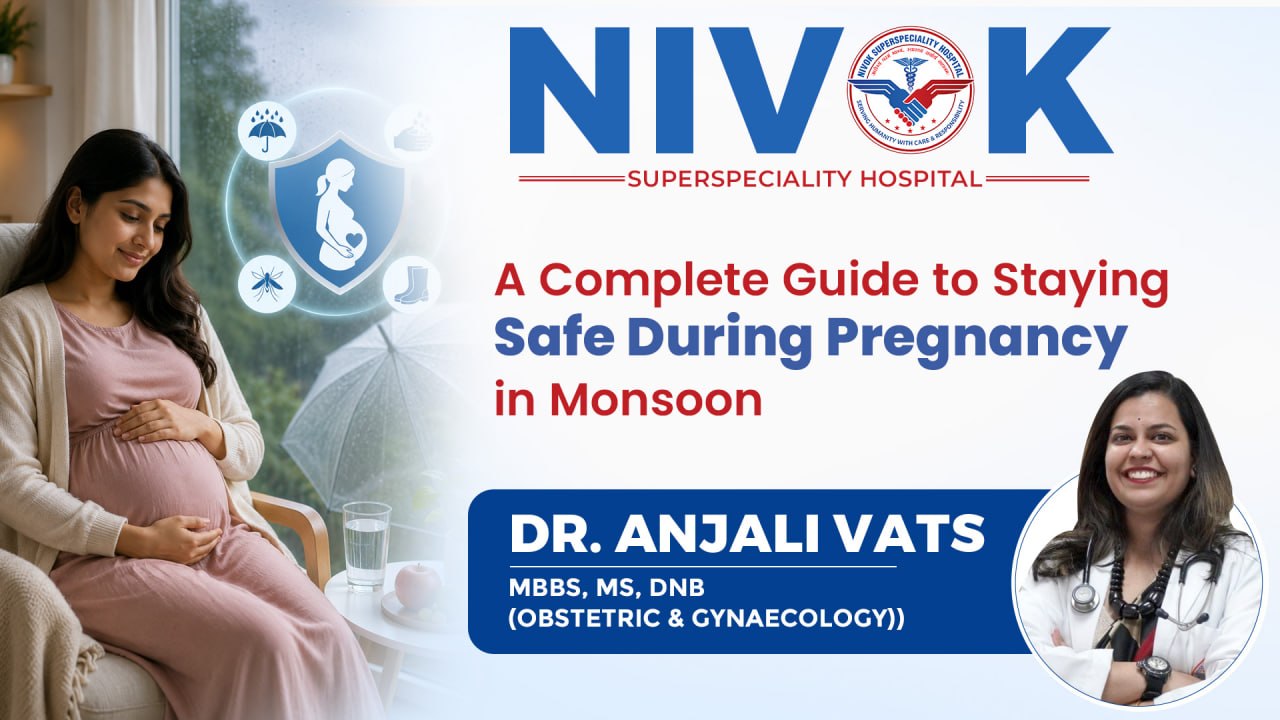
A Complete Guide to Staying Safe During Pregnancy in Monsoon
Monsoon season brings relief from the heat, but for expecting mothers, it also brings a fresh set of worries. Slippery floors, waterlogged streets, sudden infections- the list goes on. Pregnancy already demands extra caution, and the rains add a layer of complexity that many women underestimate until they're dealing with it firsthand.
At Nivok Superspeciality Hospital, the maternity team sees a noticeable rise in monsoon-related complaints every year, from stomach infections to sudden drops in immunity. None of it is unmanageable, though. A little awareness goes a long way, and honestly, most of it comes down to habits that are easy to build once you know what to watch for.
Why Monsoon Feels Different for Pregnant Women
Pregnancy already lowers immunity to some extent. Add in humidity, stagnant water, and a spike in waterborne diseases, and the body has more to fight off than usual. Add in the small but real risk of slipping on wet floors, and suddenly a walk to the market feels riskier than it used to.
Dr. Anjali Vats often points out that most monsoon-related pregnancy issues aren't dramatic emergencies but slow buildups: a mild fever ignored for two days, a stomach bug brushed off as "just the weather." Left unchecked, these small issues can escalate quickly. There's also the mosquito problem to think about. Stagnant water pools everywhere during monsoon, and that means a rise in dengue and malaria cases, both of which carry serious risks during pregnancy. It's not something to take lightly, even if it feels like a distant possibility.
Simple Precautions That Actually Make a Difference
● Avoid walking through waterlogged areas whenever possible, since contaminated water carries infection risks
● Wear non-slip footwear, indoors and outdoors both
● Drink only boiled or filtered water, no exceptions during monsoon
● Keep meals fresh and avoid street food entirely for the season
● Carry an umbrella or raincoat rather than getting drenched and chilled
● Keep the home well ventilated to prevent dampness and mould buildup
● Wash fruits and vegetables thoroughly before cooking or eating
● Use mosquito repellents that are pregnancy safe, and keep windows netted where possible
● Change out of wet clothes quickly instead of letting them dry on the body
None of these feel like rocket science, right? But somehow, in the rush of daily life, they're the first things people skip. It's usually not carelessness, just habit. Monsoon changes the rhythm of everyday routines, and pregnant women especially need to notice when old habits stop being safe ones.
Watch Out for These Warning Signs
Some symptoms need immediate medical attention, not a wait-and-watch approach:
● Persistent fever that doesn't break within a day
● Diarrhoea or vomiting lasting more than a few hours
● Unusual swelling in the hands or feet
● Sudden dizziness or fainting spells
● Reduced foetal movement
● Skin rashes accompanied by fever, which could point to a mosquito-borne illness
● Severe abdominal cramping that feels different from usual pregnancy discomfort
According to Dr. Anjali Vats, pregnant women should never assume monsoon symptoms will simply pass on their own. The body during pregnancy responds differently, and infections that seem mild in a non-pregnant person can turn serious surprisingly fast. Waiting it out at home, hoping things settle, is often where things go wrong.
Diet Matters More Than You'd Think
Digestion tends to get a bit sluggish during monsoon months, thanks to the humidity messing with metabolism. Warm, home-cooked meals work far better than heavy or oily food this time of year. Ginger tea, light soups, seasonal fruits like pears and pomegranates - these are gentle on the stomach and still packed with nutrients. Ice cold drinks and raw salads, tempting as they are, are best avoided until the rains pass. Leafy greens should be washed extra carefully too, since monsoon dirt carries more than just mud.
Staying hydrated still matters, even though the weather feels cooler. It's easy to forget to drink enough water when you're not sweating buckets like in summer, but the body needs it just as much.
Regular Checkups Are Non-Negotiable
Monsoon isn't the season to skip prenatal appointments. Infections can develop quietly, and routine checkups catch issues before they turn into something bigger. The maternity team at Nivok Superspeciality Hospital continues to monitor high-risk pregnancies closely during these months, adjusting care plans as needed based on how each patient responds to seasonal changes. Blood pressure, sugar levels, and foetal growth all get tracked a little more attentively when the season itself adds extra variables.
Conclusion
Monsoon doesn't have to be a stressful season for expecting mothers. With a few sensible precautions, a watchful eye on symptoms, and consistent prenatal care, most risks are entirely manageable. Nivok Superspeciality Hospital remains committed to guiding mothers through every season safely, monsoon included, because a healthy pregnancy shouldn't have to pause for the weather.
Popular Posts

.jpg)





.jpg)
.jpg)

















Copyrights © 2025 All Rights Reserved, Powered by Your Reputations Consulting
