24X7 Emergency : +91-7830300210 Toll Free No: 1800-202-5100







×
Need help finding what you were looking for?
Get a call back from our Health advisor
By clicking, you agree to our Privacy Policy,
Terms of Use & Disclaimer
📞 Call: +91-7830300210
✉️ Email: info@nivokhospitals.com
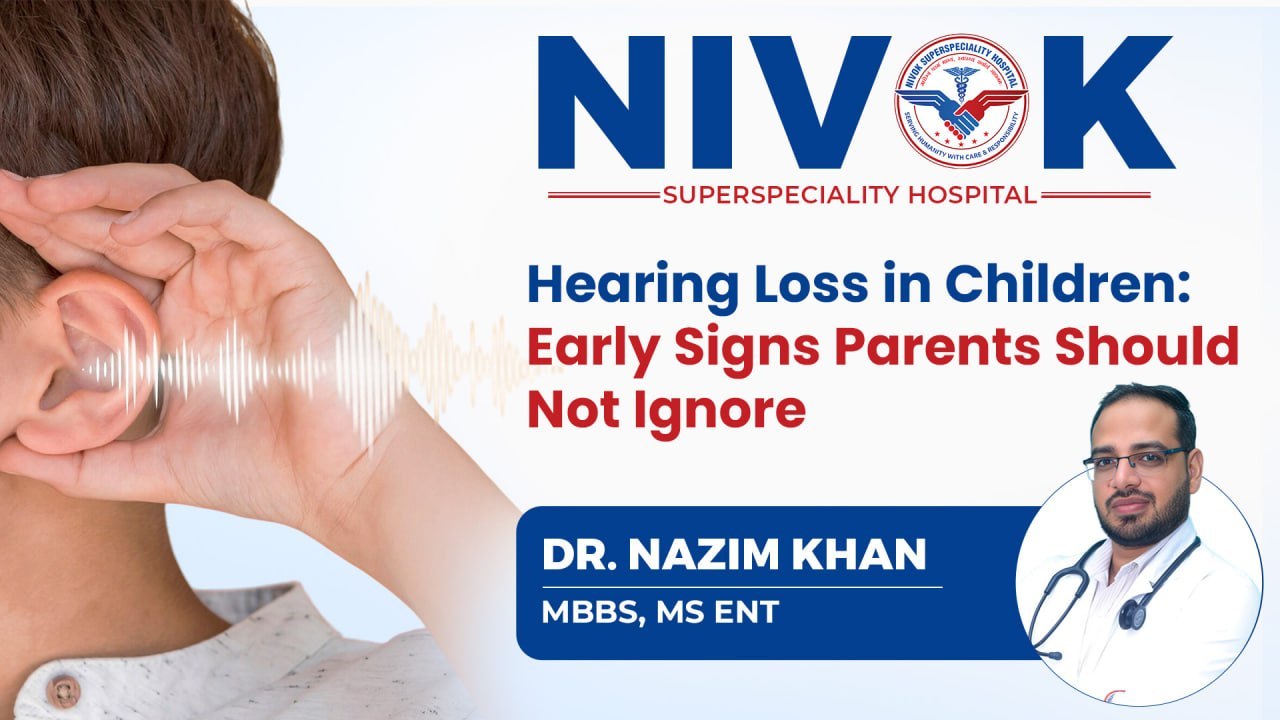
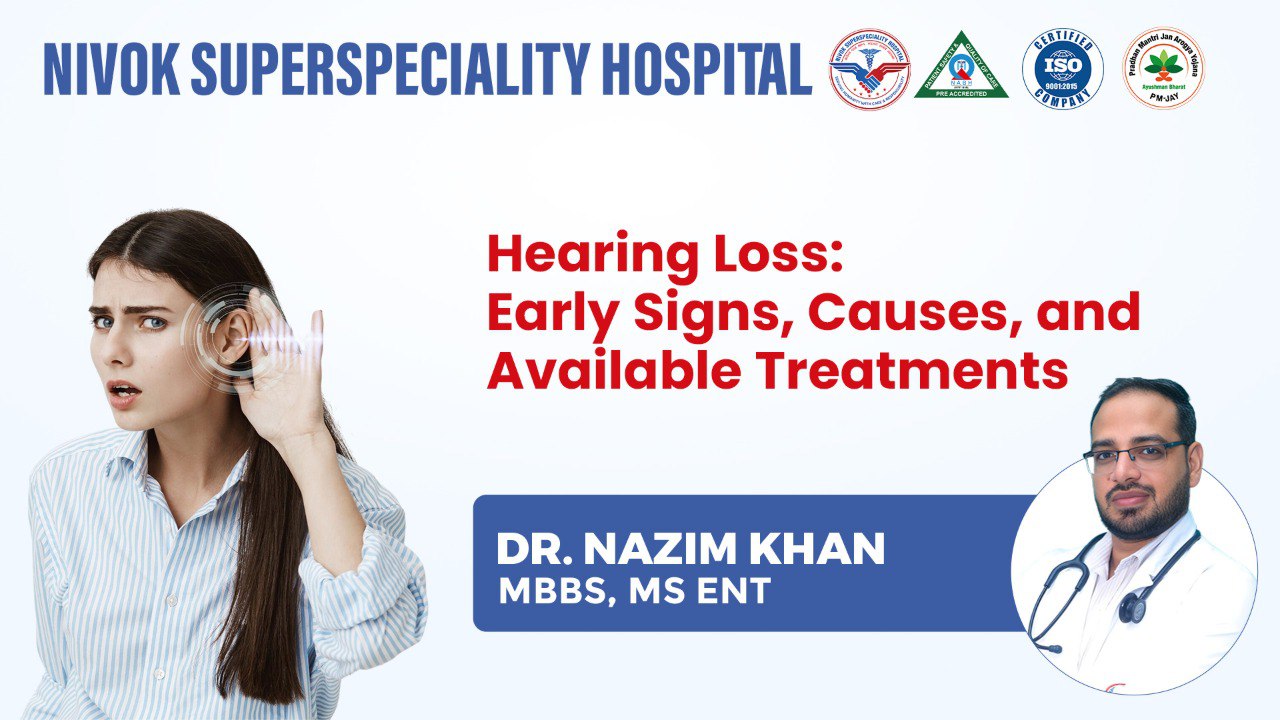
Hearing Loss in Children: Early Signs Parents Should Not Ignore
Most parents assume a child who doesn't respond immediately is just distracted or "in their own world". Sometimes that's true. But sometimes it's the first quiet clue that a child isn't hearing properly, and by the time it's noticed, months or even years of speech and language development have already been affected. Childhood hearing loss doesn't always announce itself. It sneaks in through missed milestones, a slightly delayed word here, and an unanswered call there.
That's why pediatric hearing checks matter far more than most parents realise, and why catching the signs early makes such a difference to how a child speaks, learns, and connects with the world around them.
Why Early Detection Changes Everything
A child's brain does most of its language wiring in the first three years of life. If hearing is compromised during this window, even partially, speech development can lag noticeably. The tricky part is that mild to moderate hearing loss often gets mistaken for shyness, stubbornness, or "just being a slow talker". Dr. Nazim Khan at Nivok Superspeciality Hospital often points out that parents typically wait far too long before getting a hearing evaluation done, simply because the signs are subtle rather than dramatic.
Signs Parents Should Watch For
There's no single symptom that confirms hearing loss, but a pattern of behaviours should prompt a visit to a specialist:
- No response to loud sounds by 3 months of age
- Not turning toward voices or noises by 6 months
- Limited babbling or no attempt at words by 12 months
- Frequently asking "what?" or needing things repeated
- Turning the TV volume unusually high
- Delayed or unclear speech compared to peers
- Difficulty following instructions unless looking directly at the speaker
- Behaving inattentively, which is sometimes mistaken for a learning or attention issue
None of these alone is proof of a hearing problem, but two or three together are worth getting checked, ideally sooner rather than later.
Common Causes in Children
Hearing issues in kids aren't always congenital. A lot of cases are acquired and treatable if caught in time:
- Chronic ear infections that go unnoticed or untreated
- Fluid buildup behind the eardrum (glue ear)
- Congenital conditions present from birth
- Excessive earwax blocking sound transmission
- Exposure to loud noise, even from headphones at high volumes
What Happens During a Hearing Evaluation
Parents often worry that hearing tests for young children are complicated or uncomfortable. They're not. Modern paediatric audiology uses age-appropriate methods, from otoacoustic emissions testing for infants to play-based audiometry for toddlers who are old enough to respond to sounds through simple games. The process is quick, painless, and gives a clear picture of whether further intervention, like hearing aids, speech therapy, or minor ear procedures, is needed.
When to See a Specialist
If your child isn't reaching speech milestones on time, or if something just feels "off" about how they respond to sound, don't wait it out hoping they'll catch up on their own. A timely consultation with an ENT specialist can rule out or confirm issues early, when correction is easiest and most effective.
At Nivok Superspeciality Hospital, the paediatric ENT team, led by specialists including Dr. Nazim Khan, regularly works with parents who come in unsure whether their concerns are "serious enough" to act on. The honest answer is that it's always worth checking. A five-minute consultation today can save years of catch-up later, and there's no harm in confirming that everything's fine either.
Trust your instincts as a parent. If something feels different about how your child hears or responds, get it looked at. Early action here isn't overreacting; it's just good parenting.
Popular Posts

.jpg)






.jpg)
.jpg)




















Copyrights © 2025 All Rights Reserved, Powered by Your Reputations Consulting
