24X7 Emergency : +91-7830300210 Toll Free No: 1800-202-5100






×
Need help finding what you were looking for?
Get a call back from our Health advisor
By clicking, you agree to our Privacy Policy,
Terms of Use & Disclaimer
📞 Call: +91-7830300210
✉️ Email: info@nivokhospitals.com
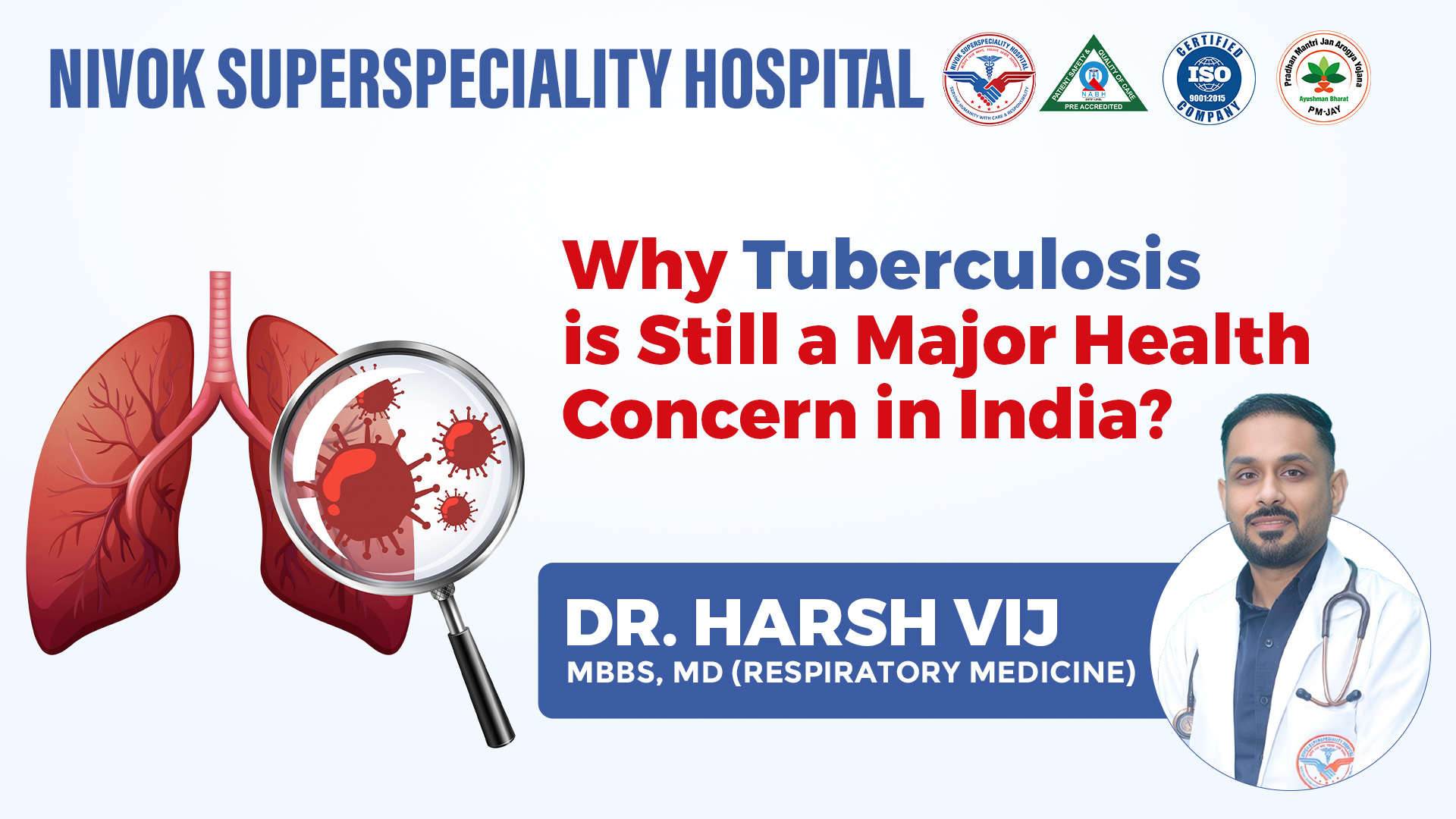
Why Tuberculosis Is Still a Major Health Concern in India
Tuberculosis (TB) is often thought of as a disease from the past. Yet in India, it continues to affect millions of people every year. Despite medical progress and government programmes aimed at eliminating it, TB remains a persistent public health challenge.
Doctors still see patients walking into clinics with prolonged coughs, fatigue, and unexplained weight loss—classic signs of tuberculosis that often go unnoticed for weeks. According to lung specialists like Dr Harsh Vij, awareness and early diagnosis are critical in reducing the spread of the disease.
At Nivok Superspeciality Hospital, respiratory experts frequently emphasise that TB is both preventable and treatable. The challenge lies in recognising the symptoms early and ensuring patients complete the full course of treatment.
Understanding Tuberculosis
Tuberculosis is an infectious disease caused by the bacterium Mycobacterium tuberculosis. It primarily affects the lungs but can also impact the brain, bones, kidneys, and other organs.
The infection spreads through the air when a person with active TB coughs, sneezes, or even speaks. Tiny droplets carrying bacteria remain suspended in the air and can be inhaled by others nearby.
What makes TB tricky is that not everyone infected becomes sick immediately. Some people carry the bacteria in a dormant form, known as latent TB, which can activate later if the immune system weakens.
Why TB Remains a Major Concern in India
India has made significant progress in TB control. Yet the disease continues to spread due to a combination of medical, social, and environmental factors.
1. Late Diagnosis
Many people ignore early symptoms, assuming it’s just a seasonal cough or common cold. Weeks pass before they seek medical help.
During this time, the infection may spread to family members or coworkers.
Common symptoms include:
- Persistent cough lasting more than two weeks
- Fever, especially in the evening
- Night sweats
- Unexplained weight loss
- Fatigue or weakness
Recognising these warning signs early can make a huge difference.
2. High Population Density
India’s dense population allows airborne diseases like TB to spread easily. Crowded housing, shared living spaces, and poorly ventilated environments create ideal conditions for transmission.
Even a single untreated patient can infect several people over time.
3. Weakened Immunity
TB often takes advantage of weakened immune systems. Individuals with conditions such as diabetes, HIV, malnutrition, or chronic lung disease are more vulnerable.
Lifestyle factors also play a role. Smoking, alcohol misuse, and poor nutrition weaken the body’s defence mechanisms.
4. Incomplete Treatment
One of the biggest challenges in TB control is treatment adherence.
TB medication must be taken for six months or longer. Some patients stop taking medicine once they start feeling better. Unfortunately, this allows the bacteria to survive and develop drug resistance.
Drug-resistant TB is harder to treat and requires longer, more complex treatment plans.
The Role of Early Detection
Early diagnosis is the turning point in TB control. When identified quickly, treatment can begin immediately, reducing the risk of complications and transmission.
Doctors typically use several diagnostic methods:
- Chest X-ray
- Sputum examination
- Molecular tests such as CBNAAT
- Blood tests and imaging when required
Hospitals with advanced diagnostic facilities, such as Nivok Superspeciality Hospital, help detect TB faster and guide patients toward appropriate treatment.
Treatment and Recovery
The good news is that tuberculosis is curable. With the right medication and consistent follow-up, most patients recover completely.
Treatment usually includes a combination of antibiotics taken over several months. The key is discipline and patience.
Patients are advised to:
- Take medications exactly as prescribed
- Attend regular follow-ups with their doctor
- Maintain good nutrition
- Get adequate rest
- Avoid smoking and alcohol during treatment
Pulmonologists such as Dr Harsh Vij often stress that completing the entire treatment plan is essential. Stopping medication early can lead to relapse or drug resistance.
Prevention Still Matters
Preventing TB is just as important as treating it.
Simple steps can reduce the risk of infection:
- Cover your mouth while coughing or sneezing
- Maintain good ventilation at home and in workplaces
- Seek medical advice for persistent coughs
- Maintain a healthy immune system through balanced nutrition
- Ensure early screening for high-risk individuals
Public awareness remains a powerful tool in stopping the spread of TB.
Final Thoughts
Tuberculosis may be an old disease, but it is far from gone. In India, it continues to affect communities across cities and rural areas alike.
The encouraging news is that TB is both detectable and treatable with modern medical care. What matters most is awareness—recognising symptoms early, seeking timely medical advice, and completing treatment.
Healthcare centres such as Nivok Superspeciality Hospital, along with experienced pulmonologists like Dr Harsh Vij, play an important role in guiding patients through diagnosis, treatment, and recovery.
TB control is not just about medicine. It’s about awareness, responsibility, and early action. When these come together, the disease loses its grip—and communities become healthier and stronger.
Popular Posts

.jpg)





.jpg)
.jpg)














.png)
Copyrights © 2025 All Rights Reserved, Powered by Your Reputations Consulting
