24X7 Emergency : +91-7830300210 Toll Free No: 1800-202-5100





×
Need help finding what you were looking for?
Get a call back from our Health advisor
By clicking, you agree to our Privacy Policy,
Terms of Use & Disclaimer
📞 Call: +91-7830300210
✉️ Email: info@nivokhospitals.com
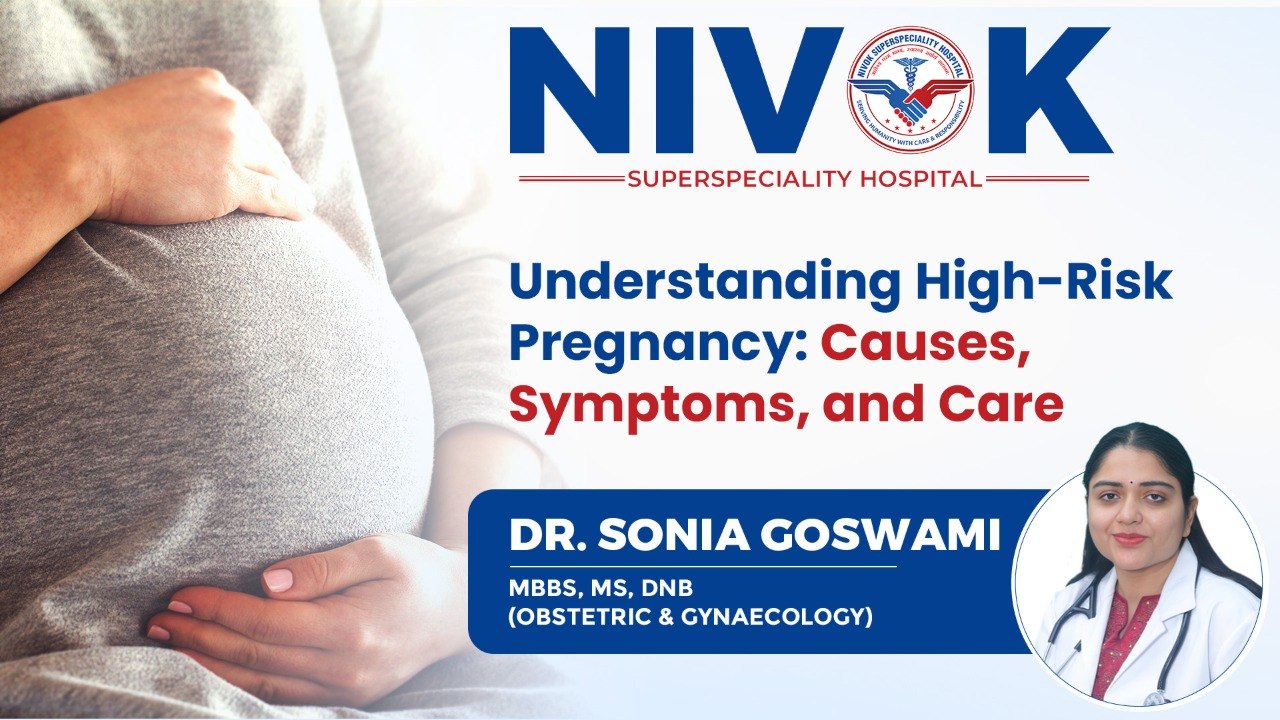
Understanding High-Risk Pregnancy: Causes, Symptoms, and Care
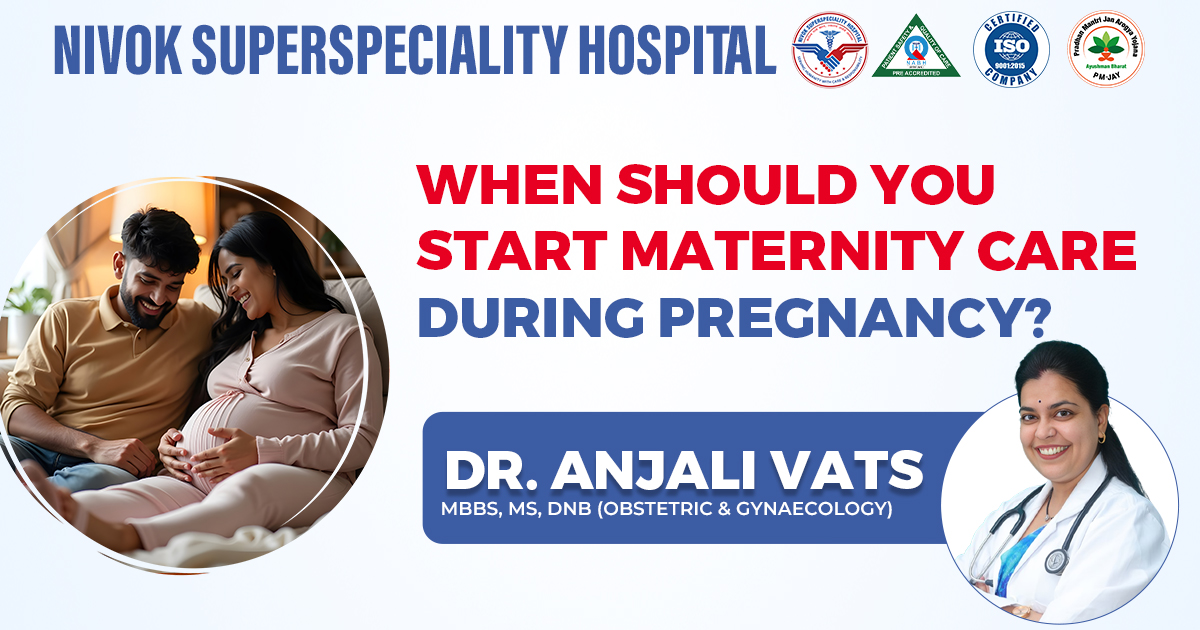
Pregnancy is supposed to feel like one of those milestone chapters, exciting, a little nerve-wracking, mostly joyful. But for some women, doctors use a phrase that changes the whole tone of the experience: high-risk pregnancy. Hearing it can feel alarming, and honestly, it should be taken seriously, but it doesn't automatically mean disaster is coming. It means extra attention, closer monitoring, and a bit more caution than the average pregnancy requires.
At Nivok Superspeciality Hospital, the maternity team handles high-risk cases regularly, and they'll tell you the same thing every time. Early identification changes outcomes. Waiting around and hoping things resolve on their own rarely works out well.
So What Actually Makes a Pregnancy "High Risk"?
There's no single trigger. It could be the mother's age, either very young or over 35. It could be pre-existing conditions like diabetes, hypertension, or thyroid disorders. Sometimes it's pregnancy-specific complications, like pre-eclampsia or gestational diabetes, that develop along the way. Multiple pregnancies, carrying twins or more, automatically push a case into higher-risk territory too. And then there's history, a previous miscarriage, a prior C-section, or complications in an earlier pregnancy. All of these factors matter, and none of them mean the worst outcome is guaranteed.
Common Causes Behind High-Risk Pregnancies
- Chronic conditions such as hypertension, diabetes, or heart disease
- Advanced maternal age, particularly above 35
- Multiple gestation, meaning twins, triplets, or more
- Obesity or significant underweight status
- History of pregnancy loss or preterm delivery
- Placental issues like placenta previa
- 1Infections contracted during pregnancy
Dr. Sonia Goswami often points out that many of these risk factors can be managed effectively when caught early, which is really the whole point of prenatal screening in the first place.
Symptoms That Shouldn't Be Ignored
Not every high-risk pregnancy comes with obvious red flags, but certain symptoms deserve immediate attention:
- Severe or persistent headaches
- Sudden swelling in the face, hands, or feet
- Vaginal bleeding at any stage
- Reduced or absent foetal movement
- Blurred vision or seeing spots
- Severe abdominal pain
- Contractions before 37 weeks
Ignoring these because "it's probably nothing" is exactly the kind of gamble no one should be taking during pregnancy. According to Dr. Sonia Goswami, a lot of complications become manageable simply because someone decided to get checked instead of waiting it out at home.
How High-Risk Pregnancies Are Managed
Management really depends on what's driving the risk in the first place. Someone with gestational diabetes might need dietary changes and closer blood sugar monitoring. A woman with hypertension may require medication adjustments and more frequent checkups. Multiple pregnancies often mean more scans, more monitoring, and a delivery plan discussed well ahead of time rather than figured out last minute.
The care team at Nivok Superspeciality Hospital builds individualised monitoring plans for exactly this reason. No two high-risk pregnancies look the same, so why would the care plan?
The Role of Regular Prenatal Visits
Skipping checkups during a high-risk pregnancy is a bit like ignoring the fuel gauge on a long drive. Sooner or later, something's going to catch you off guard. Routine visits allow doctors to track blood pressure, foetal growth, amniotic fluid levels, and a dozen other small indicators that, together, paint a clear picture of how things are progressing. Catching a problem two weeks early instead of two weeks late can genuinely change the outcome.
Emotional Support Matters Too
There's a side to high-risk pregnancy that doesn't get talked about enough, the emotional weight of it. Anxiety, stress, and constant worry about what might go wrong, these are real and valid feelings, not something to push aside. A supportive care team doesn't just monitor the physical side of things. Good maternity care includes reassurance, clear communication, and space for questions without judgement.
Final Thoughts
A high-risk pregnancy isn't a guaranteed bad outcome. It's a label that simply means more attentive care is needed, and with the right monitoring, most women go on to have healthy deliveries and healthy babies. Nivok Superspeciality Hospital remains focused on giving high-risk pregnancies exactly the kind of vigilant, personalised care they require, because when it comes to two lives instead of one, there's really no room for guesswork.
Popular Posts

.jpg)




.jpg)
.jpg)






Copyrights © 2025 All Rights Reserved, Powered by Your Reputations Consulting
